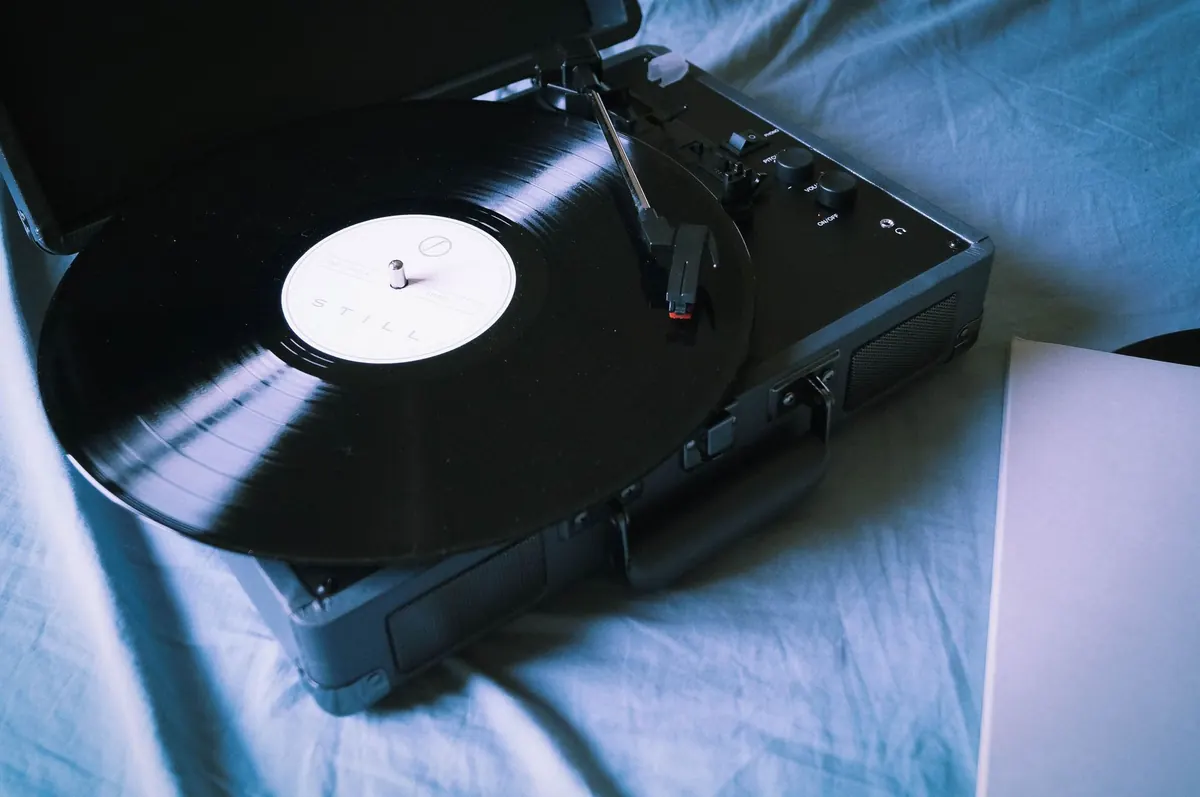
By half four the light has gone, the radiator is ticking, and the window above the desk is doing that thing again where the inside looks wetter than the outside. Winter in a British studio is rarely dramatic. It's a slow grind of damp air, cold gear and long evenings that make watching television feel like the sensible option.
The equipment still needs looking after, and so do you. What follows is a seasonal pass: what to check on the gear, and how to keep ideas moving when the days are short.
Humidity: The Number That Actually Matters
Buy a cheap hygrometer and put it on the wall at desk height. That single reading will tell you more about your studio's winter health than any amount of guesswork. Most gear and most instruments are happiest somewhere between 40 and 50 per cent relative humidity.
Below about 40 per cent, wood starts to move. Guitar necks, piano soundboards, drum shells and speaker cabinets all shrink slightly, which is how you end up with fret sprout and tuning that drifts overnight. Above roughly 60 per cent, you're inviting mould, corrosion on jack plugs and that faint musty smell that clings to flight cases.
Heated rooms dry out fast; cellars, garages and converted outbuildings do the opposite, so the fix depends on where you work. A small dehumidifier with a hose drain suits a damp box room. A monitored humidifier helps a dry spare bedroom where the guitars live. Keep gear off external walls and away from windows, leave a gap behind racks so air can move, and air the room properly for ten minutes rather than leaving a window cracked all day. Rechargeable silica packs in cases are cheap insurance.
Condensation and Cold Gear
Every January, someone plugs in a valve amp that has just come out of a cold car and wonders why it sounds wrong. Condensation forms on cold metal when it meets warm air, and inside a piece of equipment there's nowhere for it to go.
If gear has travelled, leave it in its case or bag and let it reach room temperature before you open anything. For a small item that's an hour or two. For valve amps, tape machines and anything with a large transformer, overnight is not over-cautious. Ribbon microphones deserve the same patience. Powering up damp electronics risks more than a bad session.
Cables get stiff and brittle in the cold, so don't coil them tightly when they're freezing. Let amps and outboard cool before you put covers back on — a cover over a warm unit traps moisture, while the same cover over a cool one keeps the dust off. Covers should breathe. Plastic sheeting is not your friend here.
Power, Surges and Winter Wiring
Winter puts more load on domestic wiring: heaters, kettles and tumble dryers all drawing from the same circuits that feed your monitors and interface. Old houses and converted spaces make this worse.
Run audio gear from a surge-protected distribution board rather than a chain of cheap four-ways. Keep space heaters on their own circuit where possible, and put a UPS in front of the computer and audio interface so a flicker doesn't take a session with it. Check cables for nicks and crushed points, and replace anything that has been wrapped around a hot radiator. If you rent, or the wiring looks original to the building, get a qualified electrician to check it — this is not the area to improvise. Unplug everything if a storm is overhead, and test your RCD now and again to confirm it actually trips.
A Seasonal Maintenance Pass
Set aside an afternoon. Work through this list while the room is warm and nothing urgent is on.
- Faders and knobs: exercise every one through its full travel. Crackle means oxidation. Use the correct cleaner sparingly, on the component, with the unit unpowered — or hand it to someone who has done it before.
- Jacks and connectors: inspect plug barrels for grime, wipe with isopropyl on a barely damp cloth, and bin the leads that cut out when you wiggle them.
- Batteries: take them out of pedals, tuners and anything you won't use until spring. Leaking cells do far more damage than the batteries cost.
- Backups: copy projects to two places, one of them off-site or in the cloud. Spin up external drives — mechanical drives dislike cold storage and can stick.
- Vents and fans: vacuum dust from the back of amps, interfaces and computers. Blocked airflow plus a warm room is how gear overheats.
- Cases and mics: fresh silica in cases, capsules checked for moisture, and nothing stored against a cold outside wall.
Working Through the Dark
Motivation is a practical matter in January. Treat it that way and it gets easier.
Set the room up for evenings
Warm the space before you sit down rather than while you're working, so you're not fiddling with a thermostat mid-take. Add a decent task light over the desk and, if the gloom gets to you, a daylight lamp used consistently in the morning. Keep screen brightness sensible and take a proper break every hour or so: stand up, leave the room, look at something distant.
If low mood hangs around for weeks rather than days, speak to your GP. That's a health conversation, not a studio one, and it's worth having.
Keep sessions small
Ninety minutes with one clear outcome beats a shapeless five-hour session. Open a template so you're not rebuilding your routing every night, and start with the task you can actually finish — a vocal comp, a bass part, a rough mix. Save open-ended sound design for daylight. If an idea arrives while you're away from the desk, hum it into your phone; the phone is a perfectly good notebook. When you're monitoring quietly to keep the neighbours happy, check your low end on headphones and trust a reference track over your own ears at low volume.
The Ten-Minute Close-Down
Finish each session with the same short routine. It protects the gear and makes tomorrow easier.
- Save, then back up to the second location.
- Power down in the right order: sources first, monitors last.
- Let valves and outboard cool before covering anything.
- Check the hygrometer and adjust the dehumidifier if needed.
- Note tomorrow's first task in the project notes.
- Switch off the heater, unplug what doesn't need standby, and leave the room aired.
Do that and winter stops being something your studio merely survives. You'll walk in the next evening, flick a switch and get straight to work — which, in a season this short on light, is most of the battle.
Photo: tookapic / Pixabay