Most beginner beats fall apart for the same handful of reasons, and almost none of them come down to talent or gear. The kick drifts against the hi-hats. The loop never turns into a tune. The mix gets squashed long before there's anything worth squashing. These are habits rather than mysteries, and every one of them has a fix you can try in your next session.
Here are ten of the most common mistakes, what they actually sound like, and how to correct them.
Quantising Every Hit to the Grid
Hard-quantising a drum pattern to sixteenth notes flattens it. Every hit lands dead on the beat, which is something no drummer, and very few drum machine presets, ever does. The result sounds like a spreadsheet rather than a groove.
The correction is to quantise less, and selectively:
- Drop quantise strength to around 60–75% so notes move towards the grid without snapping to it.
- Leave hi-hats, shakers and percussion alone. Anchor the groove with the kick and snare and let the small stuff wobble.
- Push the snare 5–15 ms late and pull the hats slightly early. A lazy snare sitting behind a tight kick can sound enormous.
- If you played a part in by hand and it felt good, keep the take. Don't tidy every note.
Turn the metronome on before you record anything, then trust your hands a little more than the quantise button.
Turning an Eight-Bar Loop Into a Whole Track
A loop that sounds great on repeat is a sketch, not a finished beat. If nothing arrives and nothing leaves, the listener has no reason to stay — the moment that should hit at 1:20 never comes, because everything has been playing since bar one.
Force yourself to think in blocks of eight and sixteen bars, and treat subtraction as your main tool. A method that works:
- Copy the loop out across three or four minutes of empty timeline.
- Delete parts rather than adding them. Strip the first sixteen bars back to drums and one melodic element.
- Bring the bass in at bar 17, the full kit at bar 25, and hold something back for the first chorus.
- Write a second section — a new chord, a different bassline, a switch in the drum pattern — so the track has somewhere to travel.
Eight bars of anything gets boring quickly. Sixteen bars with something removed at the halfway point does not.
Filling Every Gap in the Arrangement
New producers tend to add: another layer, another riser, another vocal chop. Space is what makes a beat feel expensive. When a pad, a piano, a guitar and a chopped vocal are all playing in the same octave at the same time, they collapse into one muddy block.
Try muting an element every time you're tempted to add one. Use call and response instead of stacking — let the synth answer the vocal rather than compete with it. A bar containing nothing but drums and a bassline can be the loudest moment in the track.
Mixing Too Early, and Mixing in Solo
Two related traps. The first is reaching for the EQ before the arrangement is finished, which means spending an hour polishing a kick you'll delete tomorrow. Get the structure right, then mix. The second is fixing sounds while they're soloed. A snare that sounds thin on its own is often exactly right in context, and a kick that sounds huge in solo can vanish behind the bass.
Practical habits that help:
- Mix with everything playing, and use solo only to diagnose a problem you've already heard in the full mix.
- Keep peaks around -6 dBFS on the master while you work. Headroom disappears fast once a limiter goes on.
- Compare against a reference track at a matched volume. Louder always sounds better, which is exactly why level-matching matters.
- Take a break, then listen on phone speakers and earbuds. If the beat only works in your studio headphones, it doesn't work yet.
Letting the Kick and Bass Fight
Most muddy amateur mixes come down to two sounds competing for the same few octaves. Decide early who owns the sub. If the kick carries the weight below 80 Hz, roll the bass off above that point. If the bassline is the foundation, shorten or high-pass the kick and let it punch in the 80–120 Hz range instead.
Tuning the kick to the key of the track helps more than any plugin, and a little sidechain compression on the bass (or simply moving a few bass notes off the kick hits in the MIDI) clears the clash in seconds. Then check the result on something with real low end — a car, a friend's speakers, a decent pair of headphones. Laptop speakers will tell you nothing about what's happening below 100 Hz.
Collecting Plugins Instead of Finishing Tracks
Most producers go through it: forty synths installed, three beats finished. Learning one compressor properly will improve your mixes far more than buying a fourth. The same applies to sample packs — a small, well-organised library you actually know beats a folder of ten thousand kicks you've never auditioned.
Protect your workflow instead. Build a template with your go-to instruments and routing already set up. Name your saves properly and keep versions. Set a rule that a beat gets finished — even badly — before a new one is started. A finished bad track teaches you more than a hard drive full of perfect eight-bar loops.
Pick One Fix for Your Next Session
Trying to correct all ten at once is another way of finishing nothing. Choose one, apply it to a track you're already working on, and listen for the difference.
- Quantise at 70% and leave the hi-hats alone.
- Arrange to three minutes before you touch a single EQ.
- Mute one element in every section.
- Balance the kick and bass, then check it on a phone.
- Finish the track, save it somewhere private, and start the next one.
None of this needs new gear or more talent. It needs a decision that the beat is going to be finished, followed by doing the dull parts in order. That's the difference between producers who improve and producers who keep collecting loops.
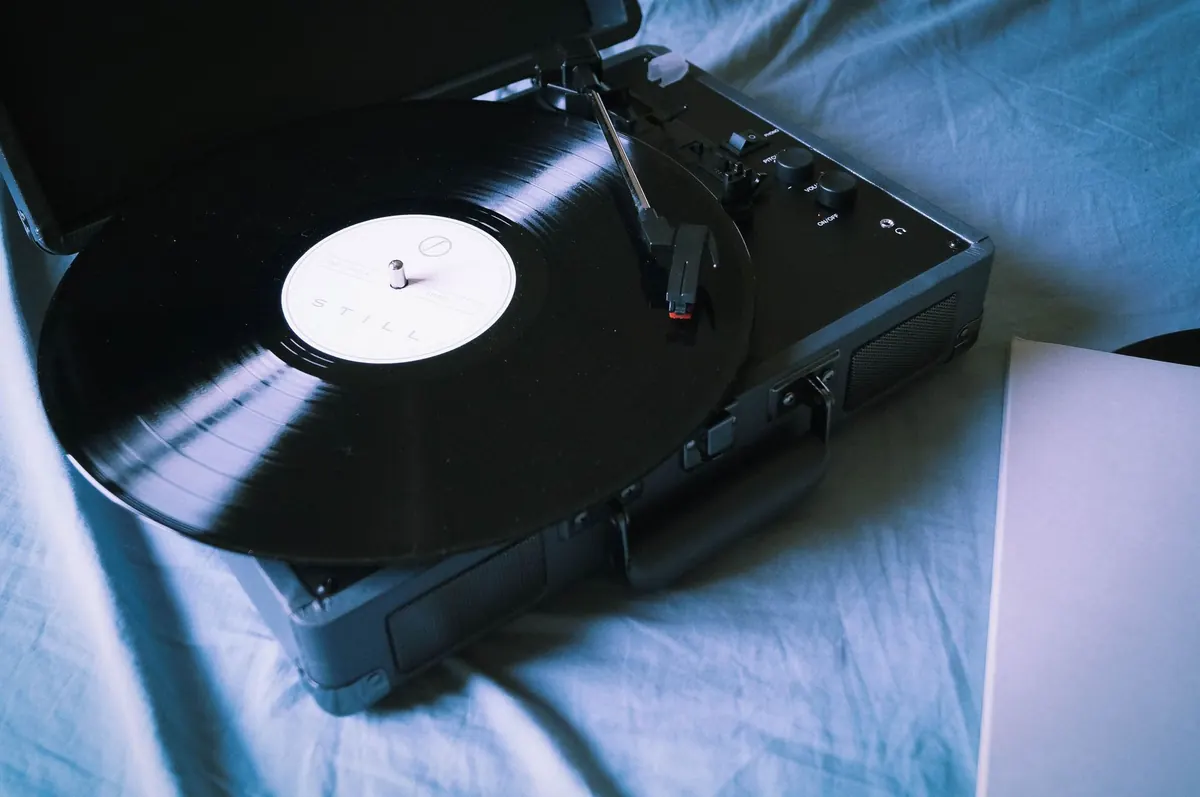
Photo: steve_a_johnson / Pixabay